

- Veterans can use a VA loan to buy manufactured or modular homes that meet VA, HUD and local building standards.
- Veterans United finances new manufactured homes, including single-wide units, but does not offer loans for homes previously installed at another location.
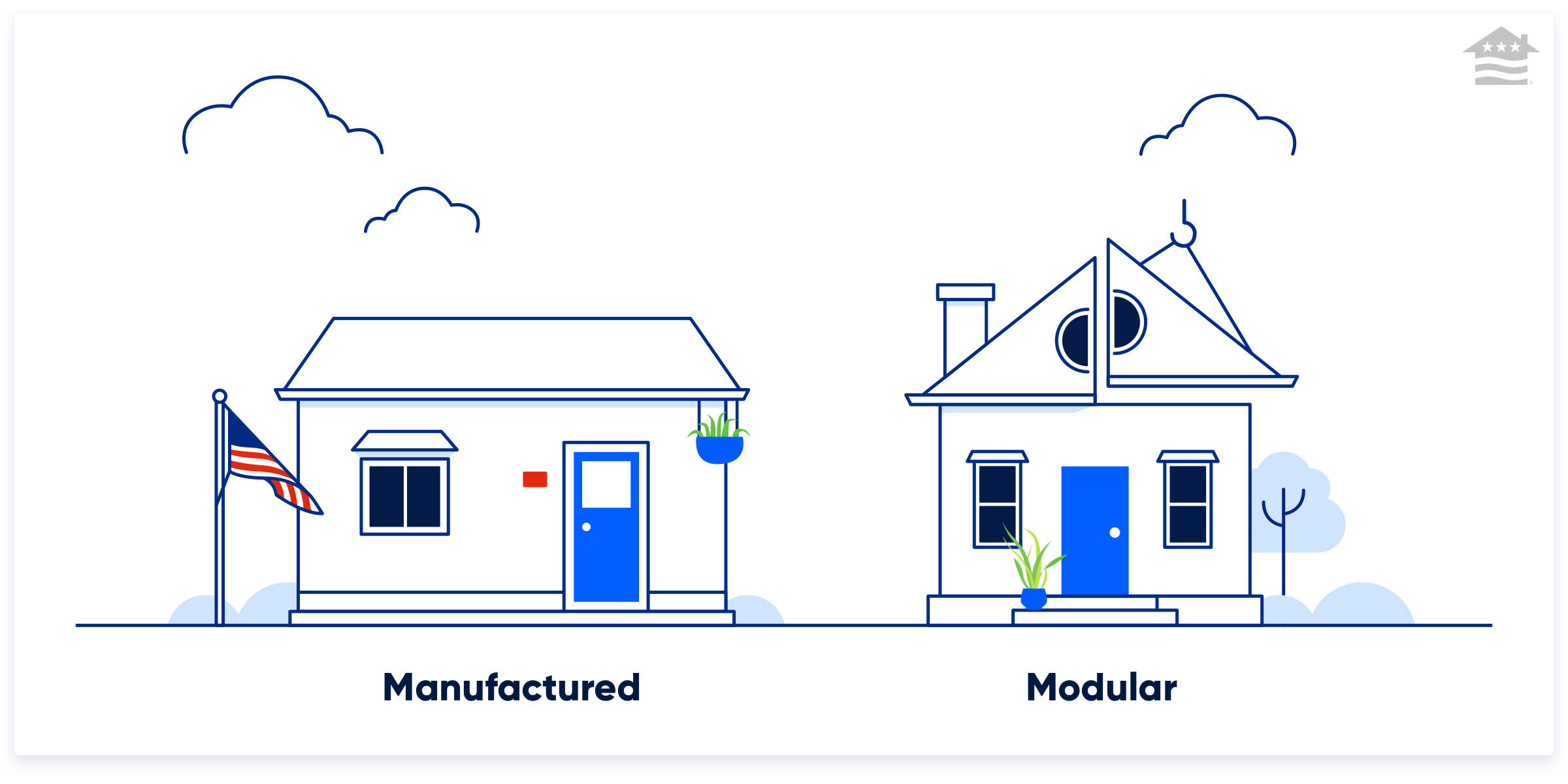
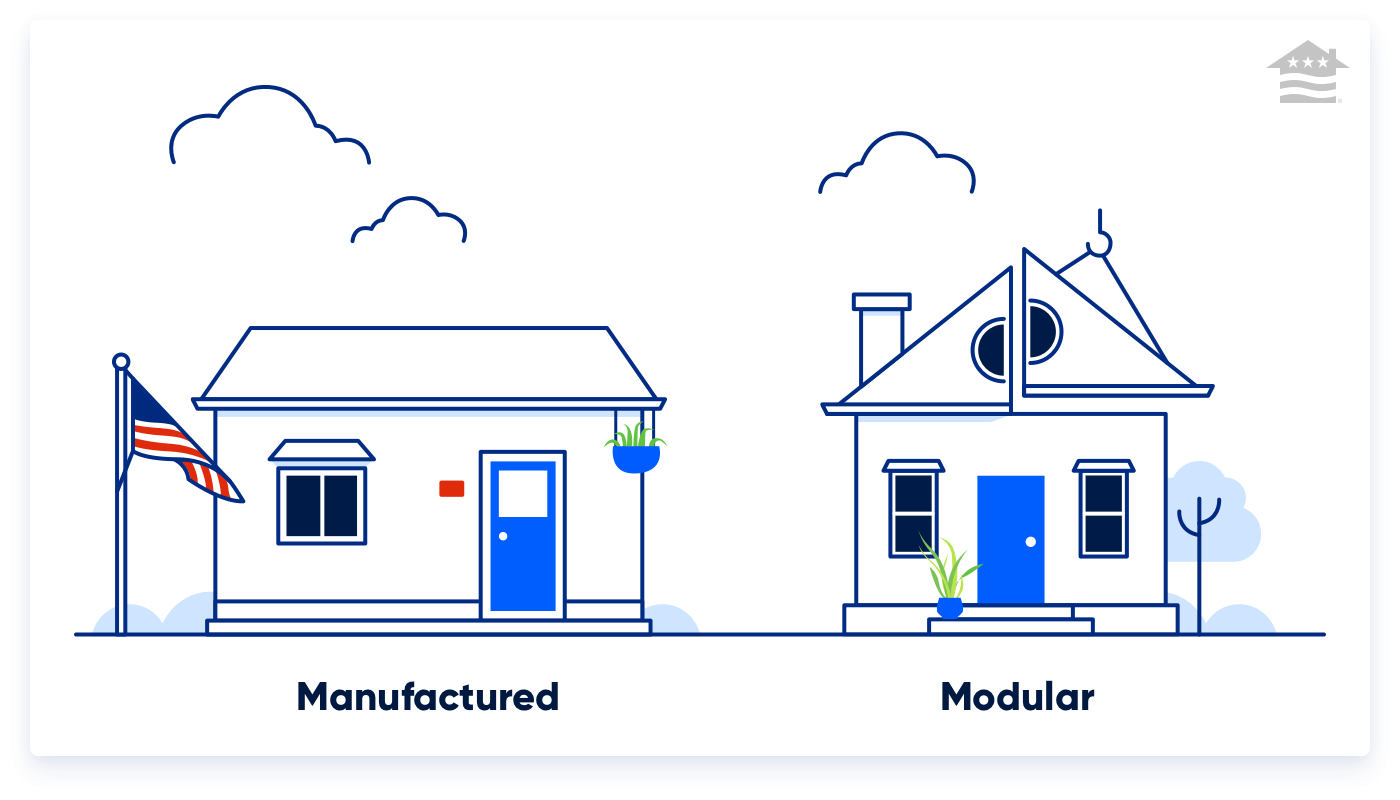
For many prospective homeowners, traditional brick-and-mortar homes may seem out of reach due to escalating prices and low housing inventory. However, an alternative form of housing is rapidly gaining popularity: manufactured and modular homes.
Fortunately, Veterans can use their VA loan benefit to purchase a manufactured home. Below, we'll guide you through securing a VA loan for a manufactured or modular home, highlighting the benefits, property requirements and practical considerations you need to know.
Can I Use a VA Loan to Purchase a Manufactured Home?
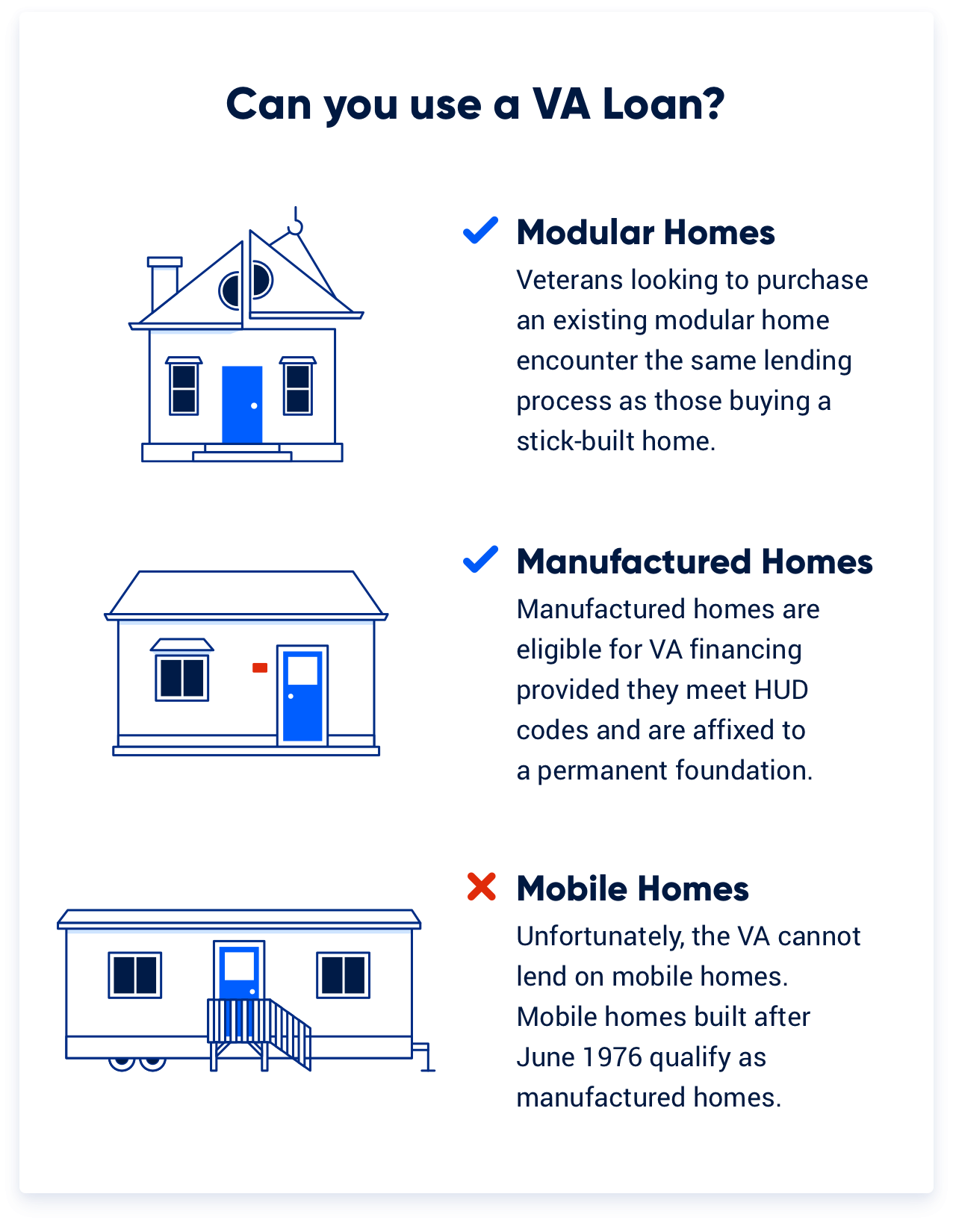
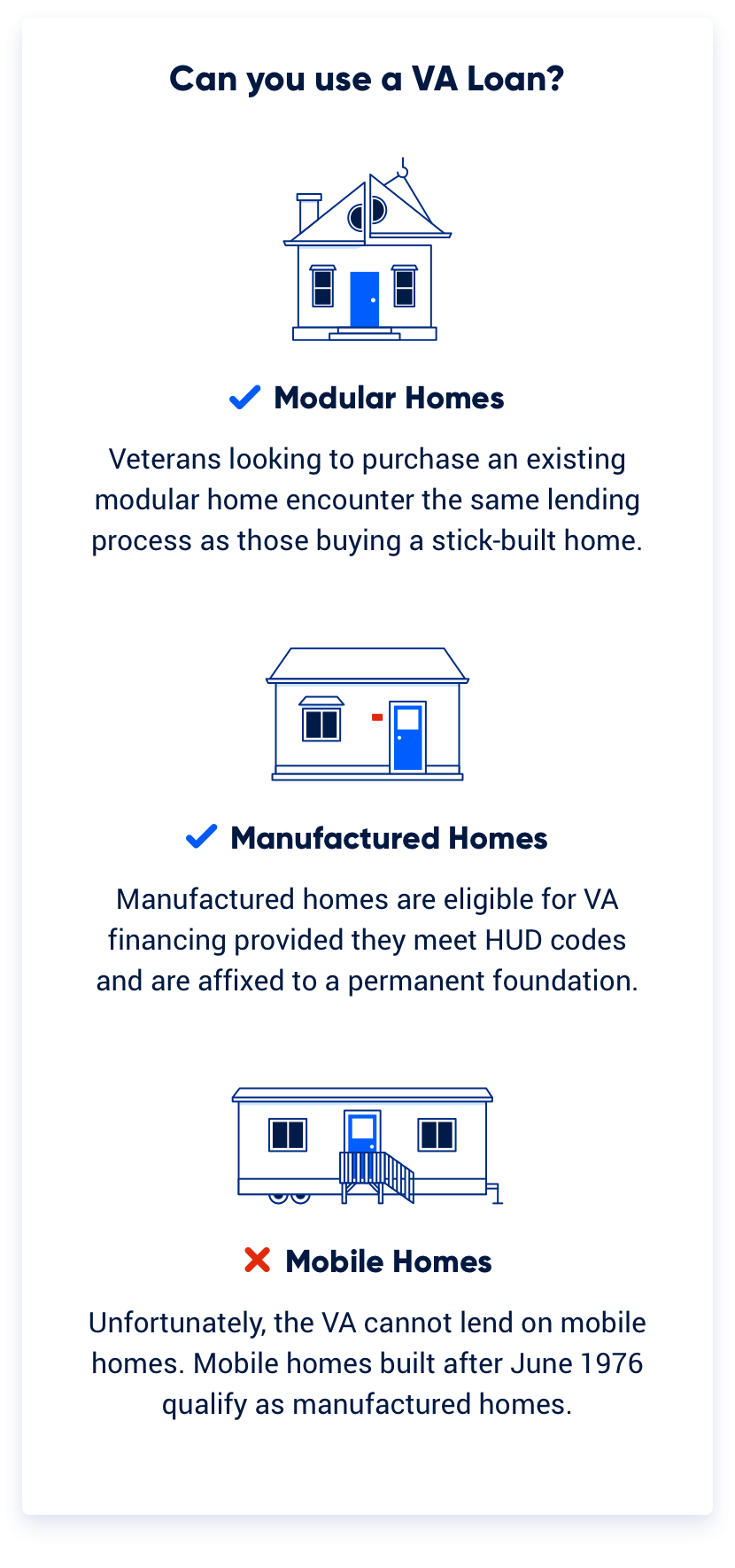
Yes, you can use a VA loan to buy a manufactured home, provided the home meets certain building standards and is affixed to a permanent foundation. A permanent foundation means the home is structurally attached to the ground, not simply resting on it, and must meet the manufacturer's requirements for anchoring, support and stability, as well as any applicable local and state codes.
One additional clarification: when people talk about "mobile homes" or "trailers," they're typically referring to a manufactured home, so it's important to understand the distinction before you begin the process.
"Mobile home" and "manufactured home" are terms often used interchangeably, but they are not the same thing, and only manufactured homes are eligible for VA financing. Homes built before June 1976 are generally referred to as mobile homes and do not meet the federal building and safety standards required for a VA loan. Veterans might struggle to get financing for manufactured homes built before 1976.
Veterans and military members interested in manufactured housing should check with lenders at the outset about whether they make loans for this property type, as policies and guidelines vary by lender.
Veterans United finances new manufactured homes, including single-wide units. We do not finance manufactured homes previously installed at another location.
VA Manufactured Home Guidelines
Manufactured homes are entirely built in factories and must meet building codes set by the U.S. Department of Housing and Urban Development (HUD). The following is required to use a VA loan on a manufactured home:
- Affixed to a permanent foundation
- Minimum 700 sq ft of interior floor space
- Must be considered a real estate entity per state law and meet all local zoning requirements for real estate per Chapter 12 of VA Pamphlet 26-7
Manufactured homes must also have a metal identification plate on the exterior of the structure. You might hear this called a “HUD tag” or a “red tag.”
Additionally, manufactured homes need to have a “data plate” inside the home, often on a bedroom closet wall or inside a kitchen cabinet. The data plate is a sticker with information about the house and its specifications.
Can I Use a VA Loan for a Manufactured Home That Has Been Moved?
Most VA lenders will not finance manufactured homes that have been previously installed at another site after initial placement because relocated homes often present appraisal, marketability and investor eligibility concerns. Manufactured homes will also need to meet the VA’s Minimum Property Requirements.
-
“A common mistake is assuming all manufactured homes qualify for VA financing. In reality, the home must be permanently affixed to a foundation, titled as real estate and meet local codes. Veterans should confirm the home’s status with the county before paying for appraisals or inspections.”
 Carrie FreemanAssociate Director of Production - NMLS #1140687
Carrie is an Associate Director of Production at Veterans United, where she supports a team of Loan Officers and brings over 12 years of experience guiding Veterans through the homebuying journey.
-
“VA loans work well for manufactured homes, but there are a few extra requirements. Before making an offer, share the property address, property type and your agent’s information with your loan officer. This allows the loan team to connect with your agent early and ensure a smoother process.”
 Will LewisAssociate Director of Production - NMLS #187652
Will is an Associate Director of Production at Veterans United, bringing 16 years of mortgage lending experience and a deep passion for helping those who serve.
VA Loans and Modular Homes
Modular homes do qualify for VA loans, but are treated differently from manufactured homes. Generally, sections of a modular home are built in a factory and then shipped to a home site. From there, the pieces are assembled by professional contractors, much like a traditional, stick-built home. Modular homes must meet local or state building codes rather than federal guidelines.
Veterans looking to purchase an existing modular home encounter the same lending process as those buying a stick-built home.
VA Modular Home Guidelines
- May be built in pieces/sections and then constructed on site
- Must be affixed to a permanent foundation
- Must meet local building code standards
- Local building inspectors must sign off on the structure meeting local requirements
- Cannot be moved after it has been placed on the property
Can I Build a Modular Home With a VA Loan?
Veterans can build a modular home using a VA loan, but the process is more complex than buying an existing home because lenders typically treat it as new construction. In most cases, Veterans will need to obtain a short-term construction loan through a builder or local lender, then refinance that short-term loan into a permanent VA mortgage once the home is complete. This is a common pathway for both stick-built and modular new constructions.
Things can get more complicated if you plan to buy a new modular home and install it on a piece of land. Lenders will often consider this new construction, which changes the complexion when you’re talking about VA home loans. It’s tough to find VA lenders willing to do a true 0% down construction loan.
Like most lenders, Veterans United doesn’t offer a VA construction loan. But we do handle the permanent financing for many Veterans who get construction loans from builders or local lenders.
Manufactured Home Appraisal
When you're purchasing a manufactured home, the VA appraisal process plays an important role in getting to closing.
During the VA appraisal, an independent VA-assigned appraiser will evaluate the home's fair market value and confirm it meets the VA's Minimum Property Requirements, covering everything from structural soundness to heating, roofing and water access. Once complete, the appraisal report is reviewed by a Staff Appraisal Reviewer before a final Notice of Value is issued. Any repairs identified in the report will typically need to be resolved before the loan can close.
Appraisals for manufactured homes can sometimes take longer or require additional steps compared to a traditional home purchase, so that’s a factor to consider as well.
How to Get a VA Loan for a Manufactured or Modular Home
To sum up, here's an overview of the full process from eligibility to closing:
- Confirm your VA loan eligibility
- Find a lender that finances manufactured homes
- Verify the home meets VA and HUD property requirements
- Share property details with your loan officer before making an offer
- Complete the VA appraisal
- Close on your VA loan
Talk with a Veterans United VA loan expert at 855-870-8845 to learn more or get started online today.
How We Maintain Content Accuracy
Our mortgage experts continuously track industry trends, regulatory changes, and market conditions to keep our information accurate and relevant. We update our articles whenever new insights or updates become available to help you make informed homebuying and selling decisions.
Current Version
Jul 8, 2026
Written BySamantha Reeves
Reviewed ByDon Wilson
Added additional information related to the manufactured home appraisal process.
May 15, 2026
Written BySamantha Reeves
Reviewed ByDon Wilson
Single-wide unit information updated.
Oct 30, 2025
Written BySamantha Reeves
Reviewed ByDon Wilson
Added expert insight about manufactured homes from Associate Directors of Production.
Jan 22, 2025
Written BySamantha Reeves
Reviewed ByDon Wilson
Content fact checked and reviewed by underwriter Don Wilson.
Veterans United often cites authoritative third-party sources to provide context, verify claims, and ensure accuracy in our content. Our commitment to delivering clear, factual, and unbiased information guides every piece we publish. Learn more about our editorial standards and how we work to serve Veterans and military families with trust and transparency.

Related Posts
-
 5 Most Common VA Loan Myths BustedVA loan myths confuse and deter many VA loan borrowers. Here we debunk 5 of the most common VA loan myths so that you can borrow with confidence.
 -
 VA Loan Down Payment RequirementsVA loans have no down payment requirements as long as the Veteran has full entitlement, but only 3-in-10 Veterans know they can buy a home loan with zero down payment. Here’s what Veterans need to know about VA loan down payment requirements.


